
Recovery & Repair
Recovery & Repair Research Peptides
The most studied tissue repair peptides for injury recovery and healing.
About Recovery & Repair Peptides
Explore our selection of recovery & repair research peptides from Phiogen. All products are for research use only.
Research Applications
These peptides have been studied in various research contexts related to recovery & repair.
Healing Biology
The 3 Phases of Tissue Repair
Inflammation
0–72 hoursVasodilation, immune cell recruitment, and cytokine signaling clear debris and prepare the repair scaffold.
BPC-157 reduces excessive TNF-α and IL-6 to prevent chronic inflammation
Proliferation
3–21 daysFibroblasts and tenocytes migrate into the wound, new collagen is deposited, and angiogenesis establishes vascularity.
TB-500 promotes cell migration via actin polymerization; BPC-157 drives angiogenesis
Remodeling
21 days – 2 yearsCollagen fibers cross-link and align along stress lines, restoring tensile strength and tissue architecture.
Both peptides promote organized collagen type I deposition and reduce fibrous adhesions
Compound Comparison
BPC-157 vs TB-500: Complementary Mechanisms
Research Applications
Target Tissue Categories
Tendon & Ligament
Collagen I deposition, tensile strength restoration
Skeletal Muscle
Satellite cell activation, inflammation resolution
Gut & GI Tract
Mucosal repair, permeability reduction (BPC-157)
Bone & Cartilage
Periosteal healing, fracture callus formation
Neural Tissue
Nerve repair support, neuroprotective effects
Cardiac Muscle
Post-ischemia recovery (TB-500 primary)
Shop Recovery & Repair Peptides
Research-grade quality — COA verified. For research use only.
Shop Research PeptidesRecovery & Repair Peptides (29)
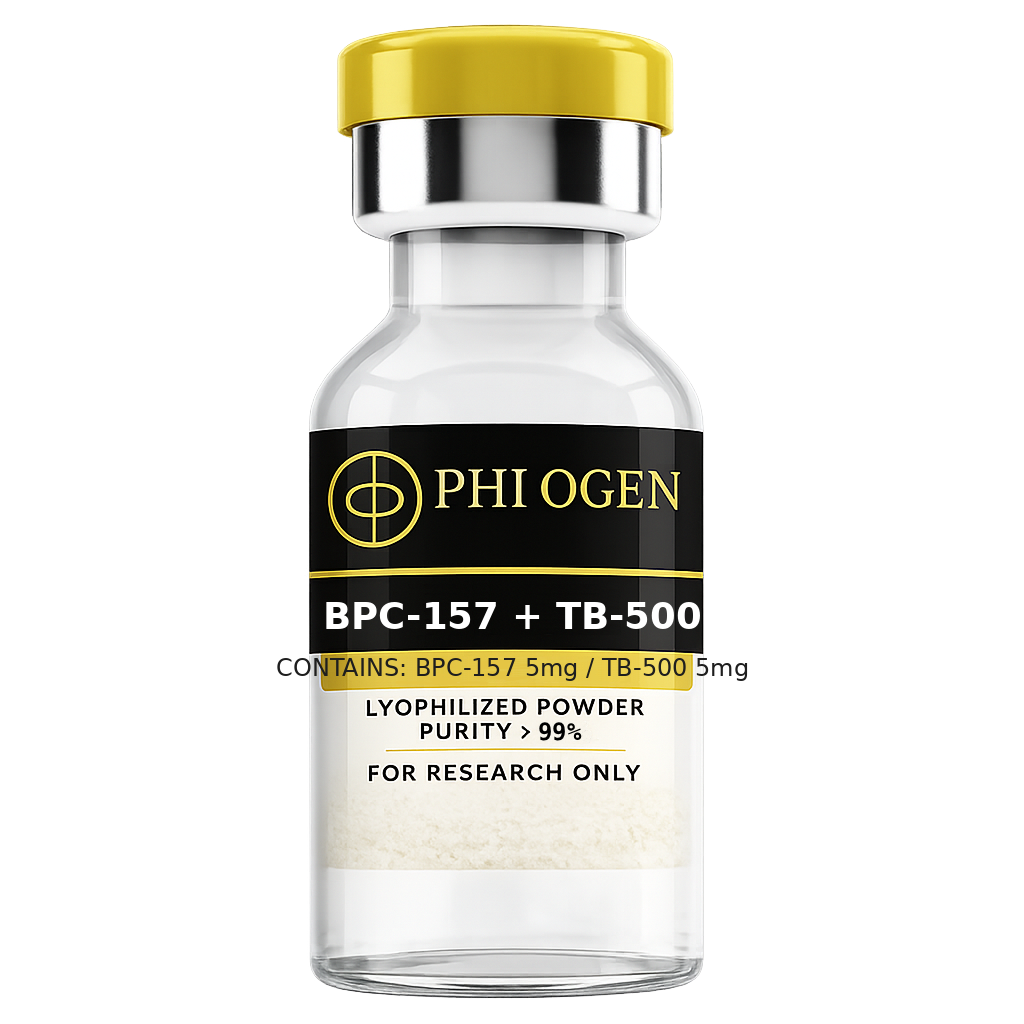
Premier tissue repair stack combining BPC-157 5mg + TB-500 5mg.
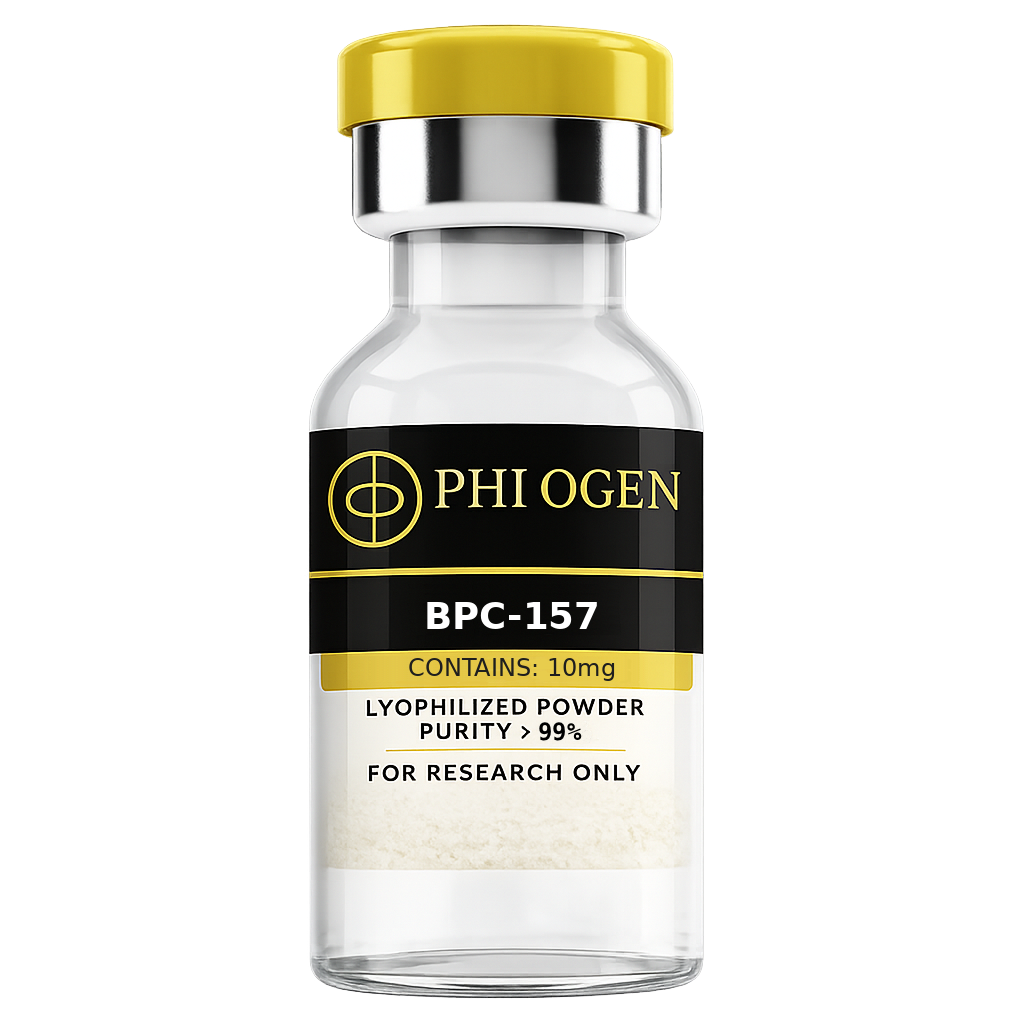
15-amino acid body protection compound with extensive tendon, muscle, gut, and nerve repair research.
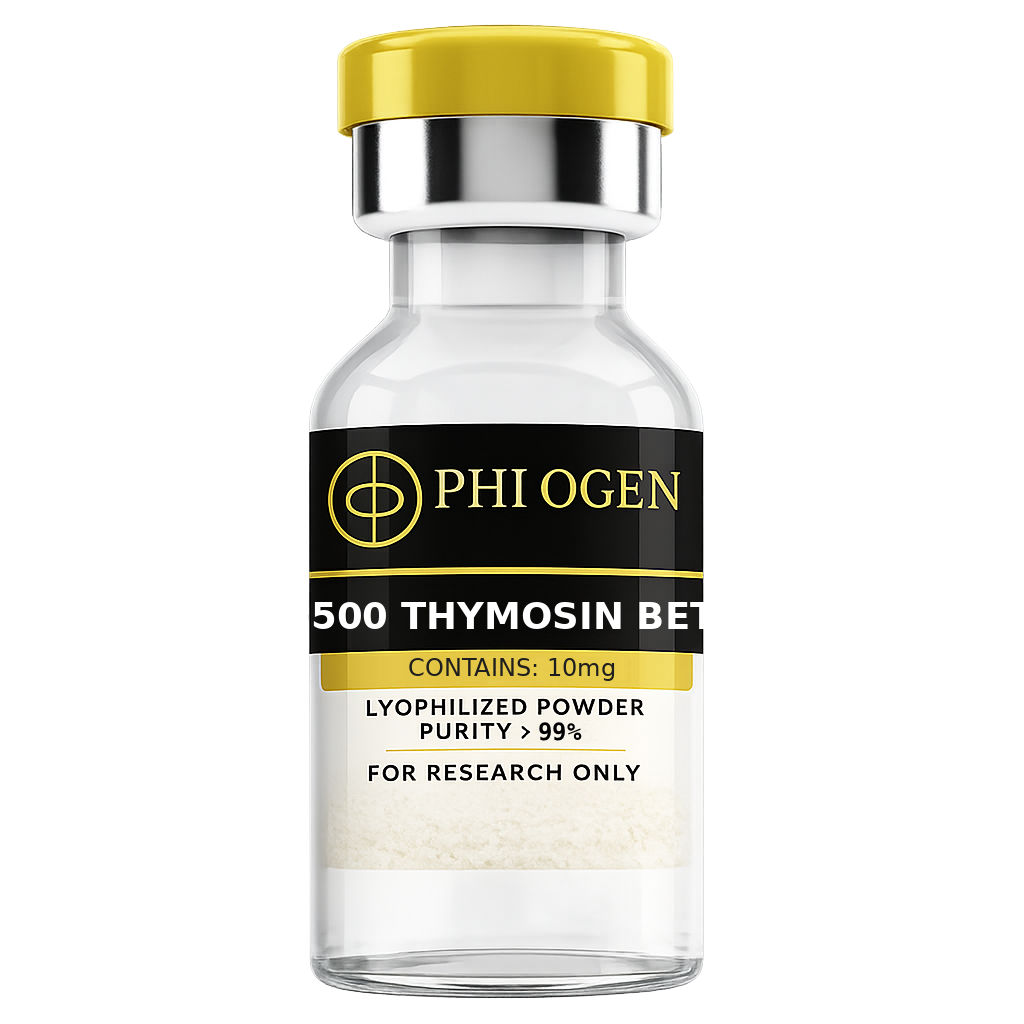
Synthetic Thymosin Beta-4 promoting actin polymerization, cell migration, and AKT pathway activation for systemic tissue repair.
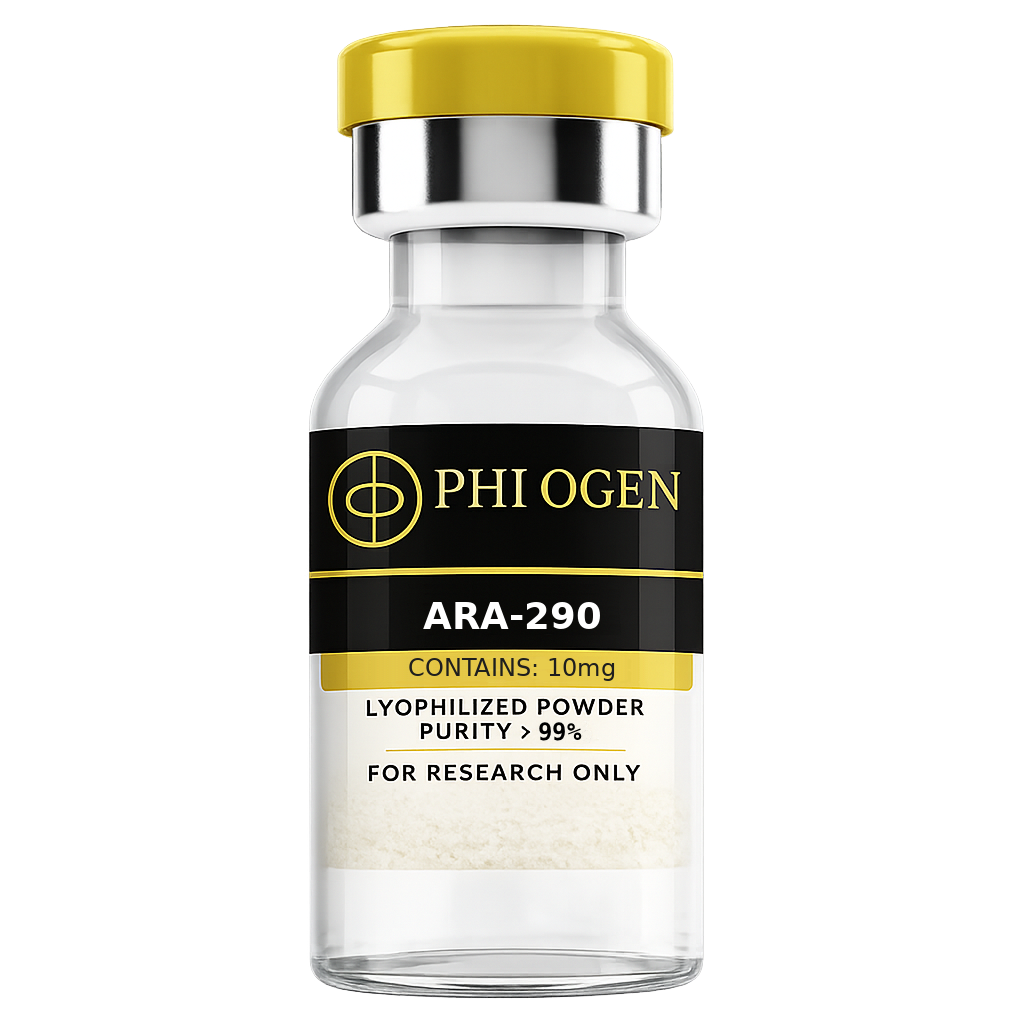
Non-hematopoietic EPO analogue that activates the innate repair receptor to reduce chronic inflammation and neuropathic pain without erythropoietic effects.
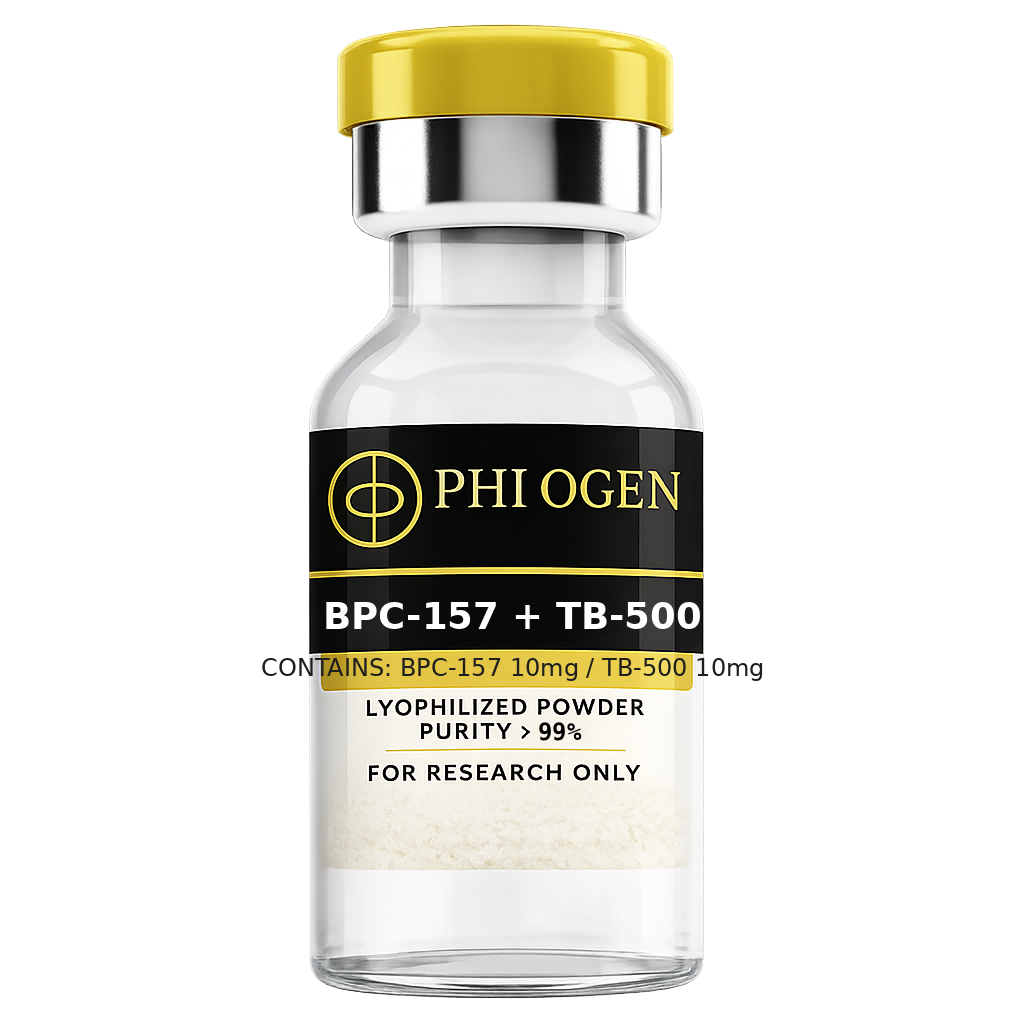
High-dose BPC-157 10mg + TB-500 10mg synergistic recovery blend.
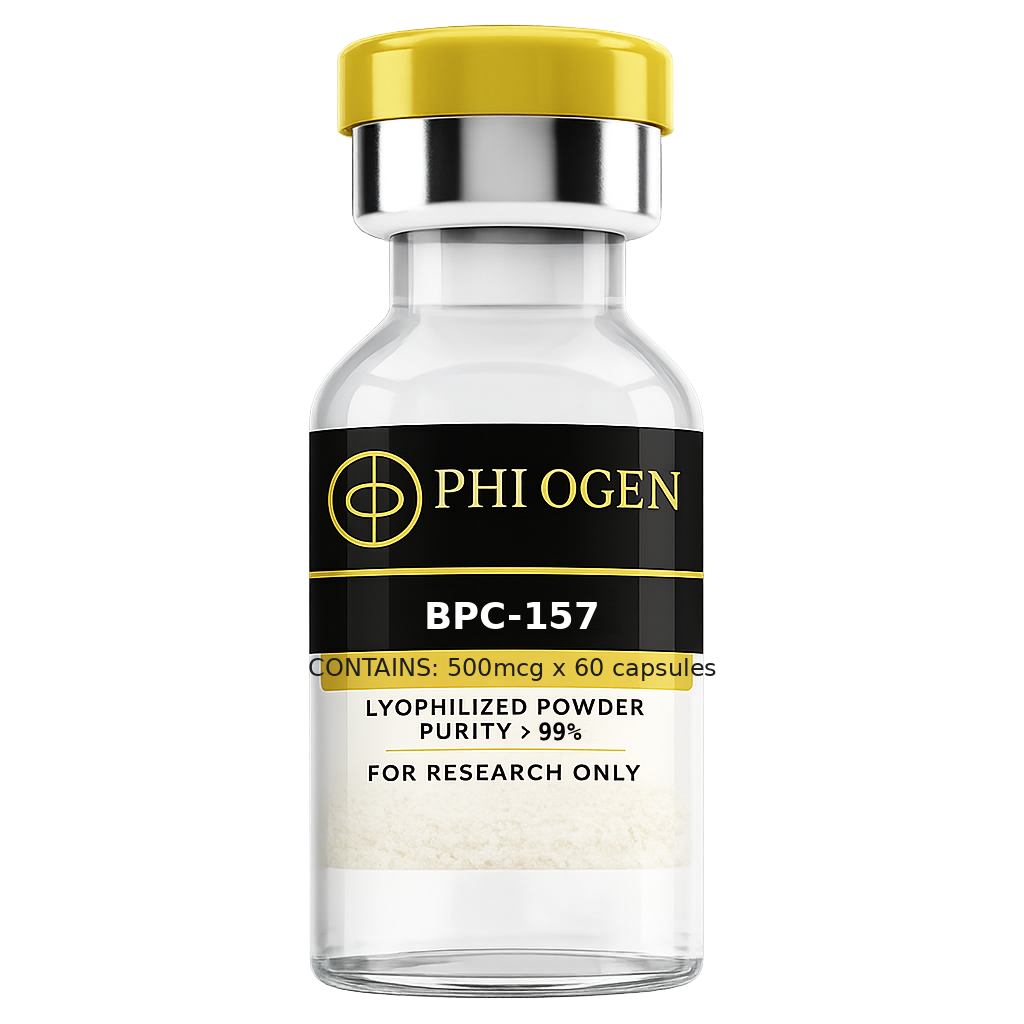
Oral BPC-157 capsules for gastrointestinal and systemic research.
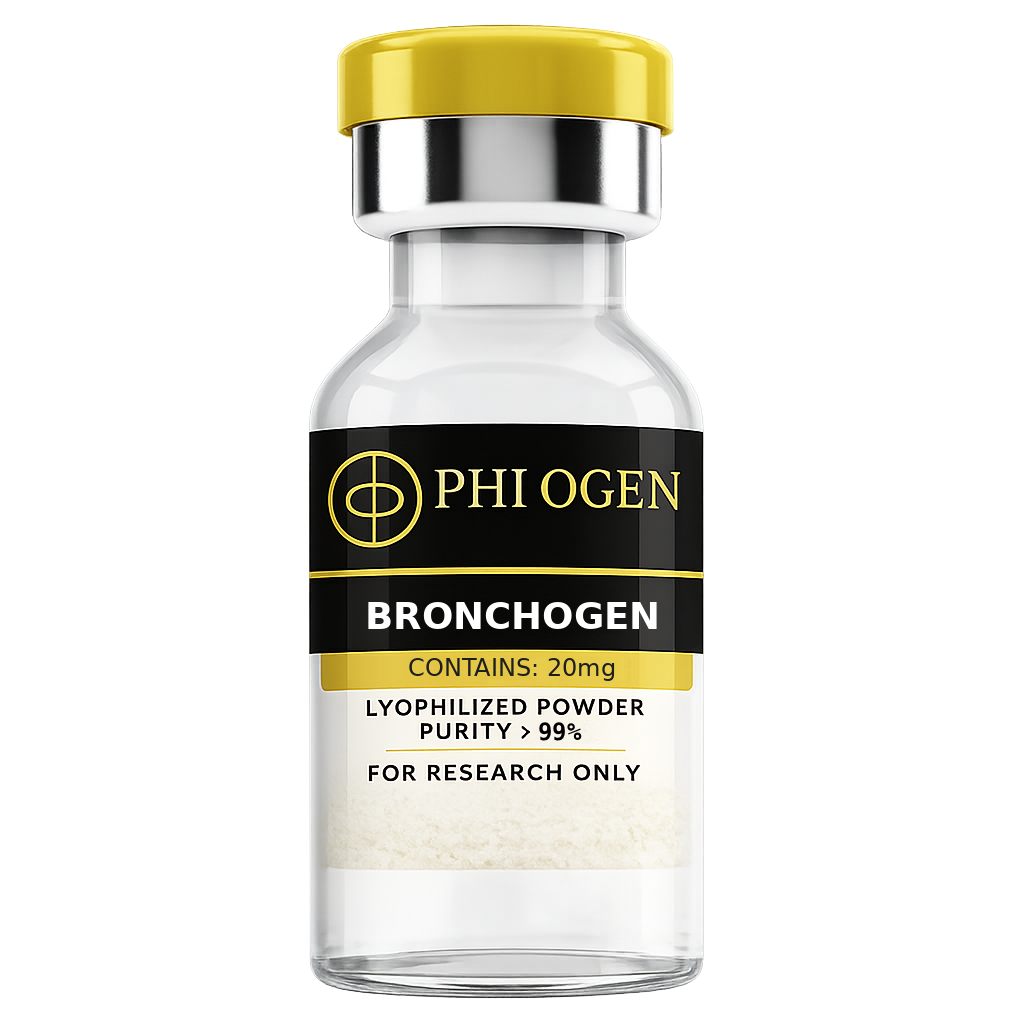
Short peptide bioregulator targeting bronchial and lung tissue.
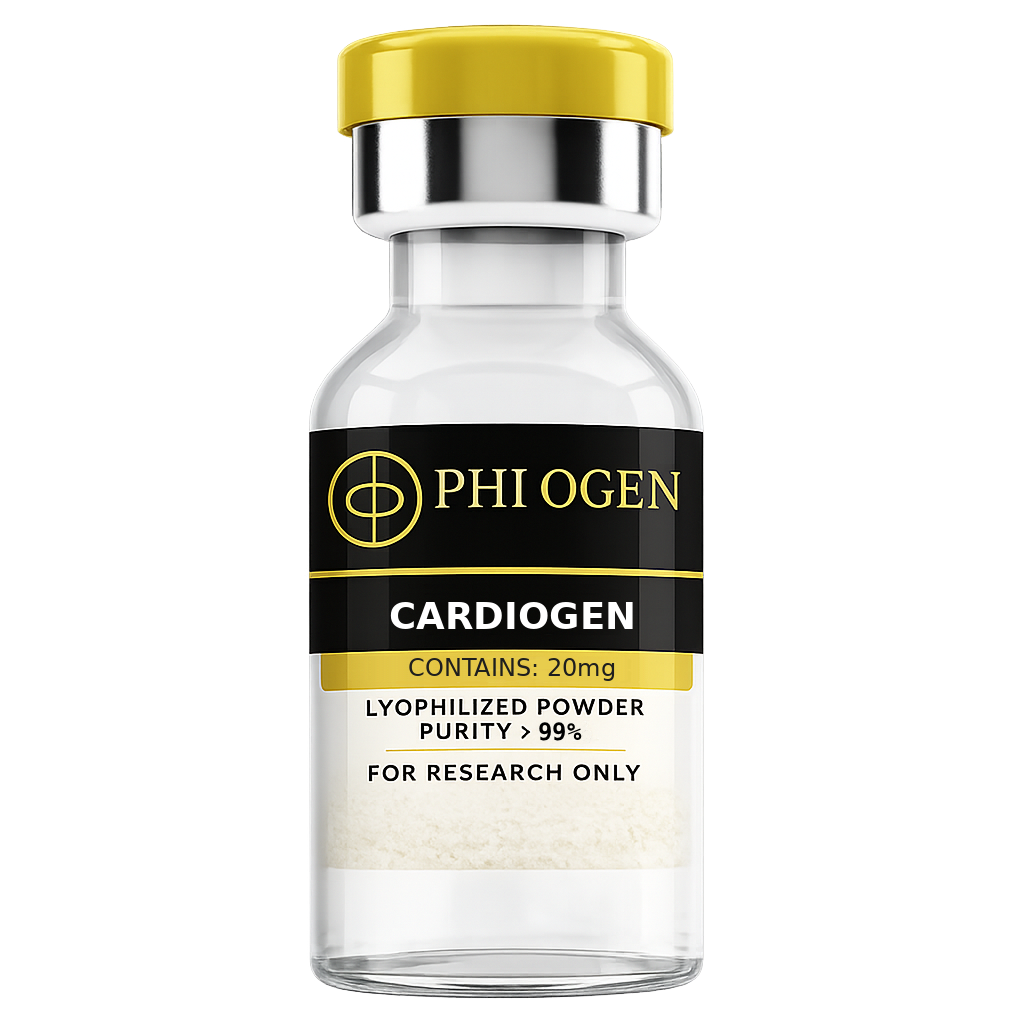
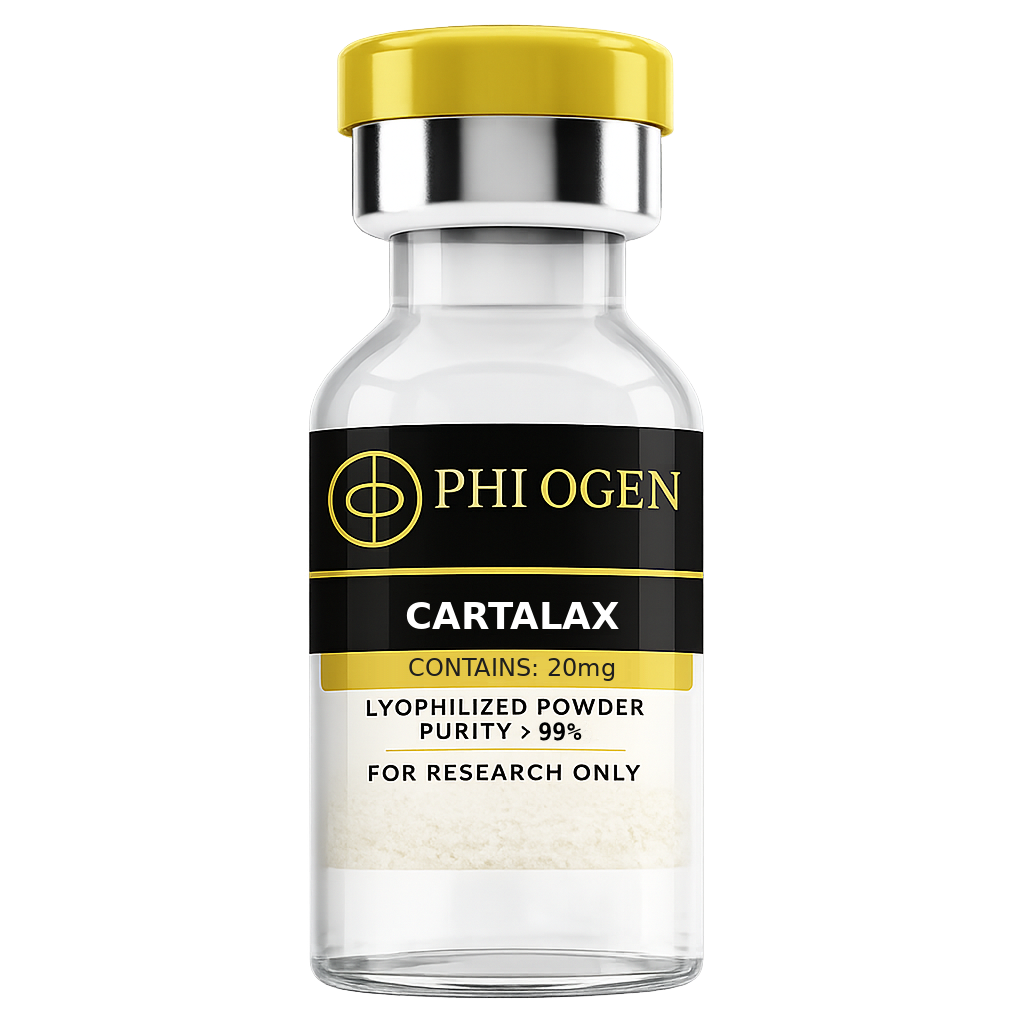
Connective tissue peptide bioregulator supporting cartilage and bone regeneration.
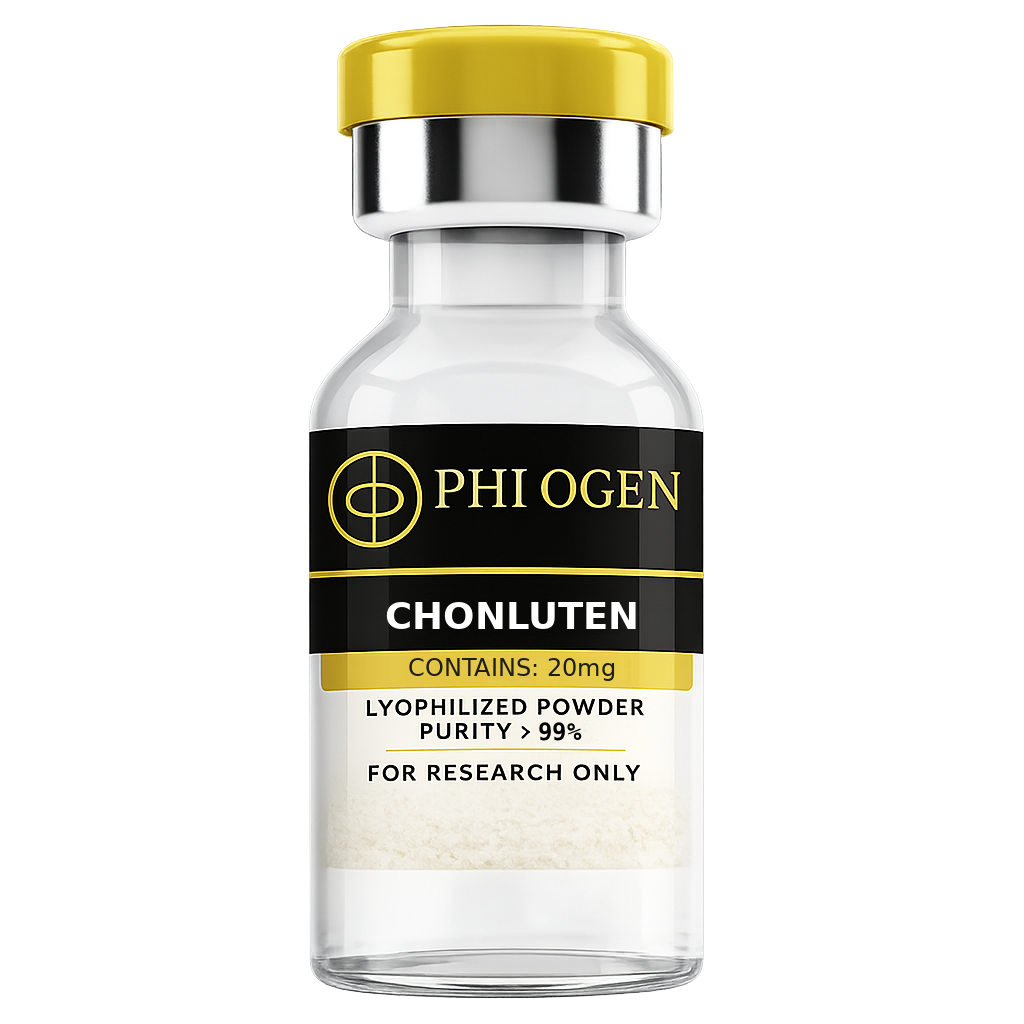
Peptide bioregulator that targets bronchial and mucosal tissues.
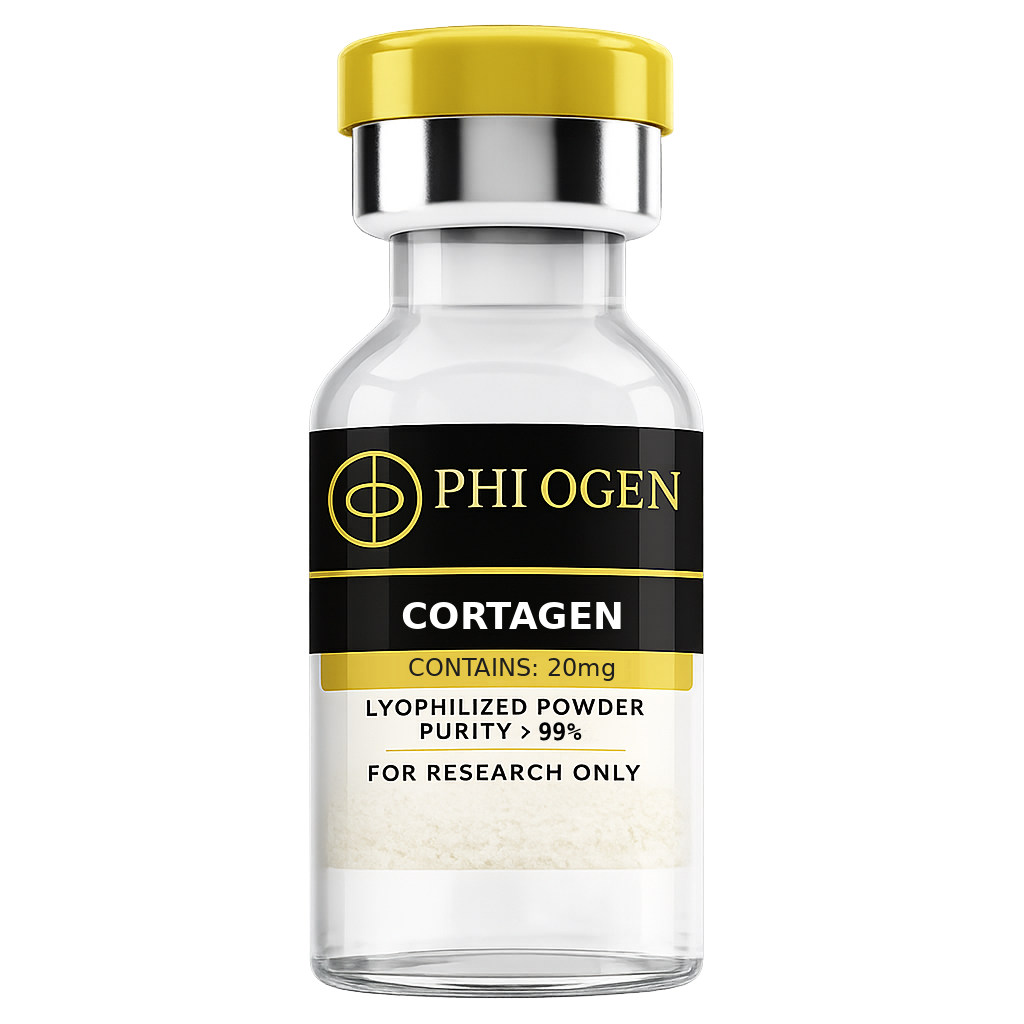
Neuropeptide bioregulator supporting cerebral cortex and central nervous system function.
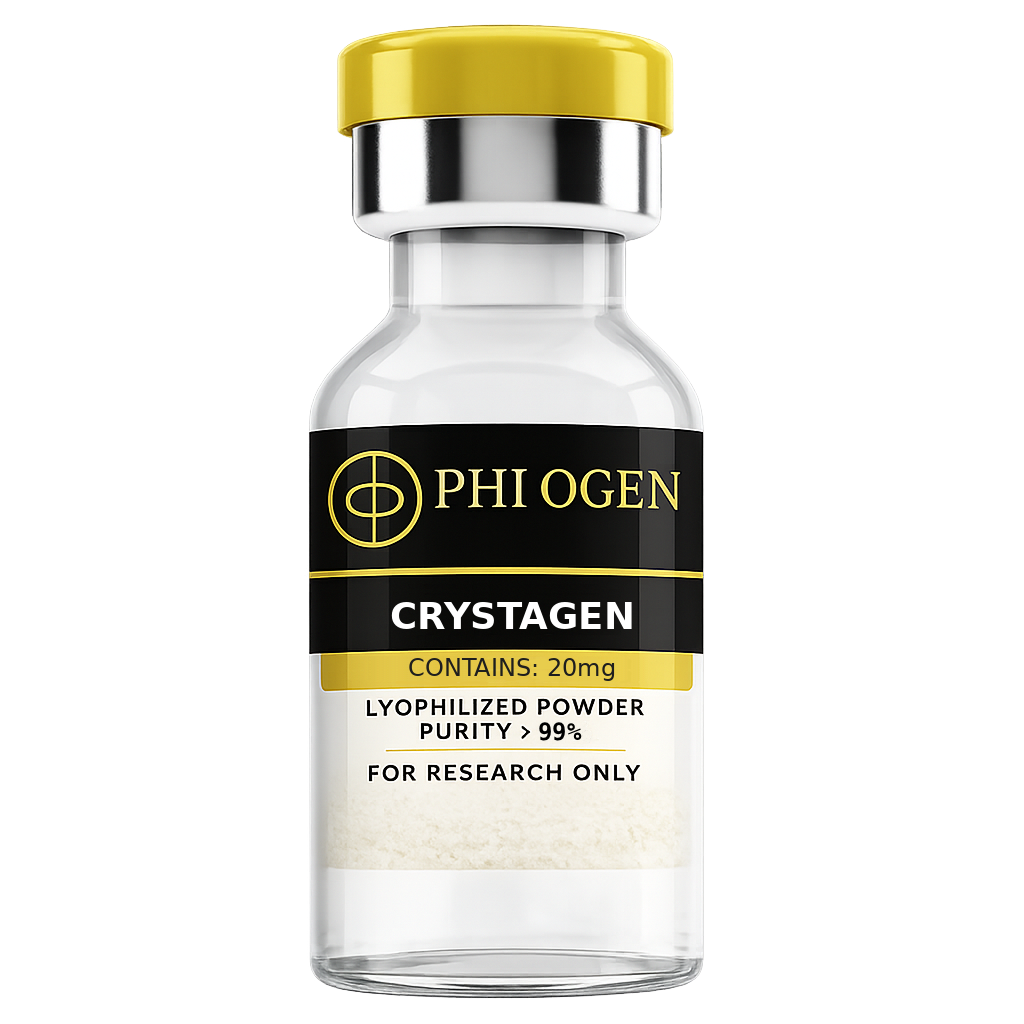
Connective tissue bioregulator promoting collagen synthesis and structural tissue integrity.
Hepatic peptide bioregulator that supports liver cell function and regeneration.
Peptide bioregulator targeting gastrointestinal and hepatic tissue.
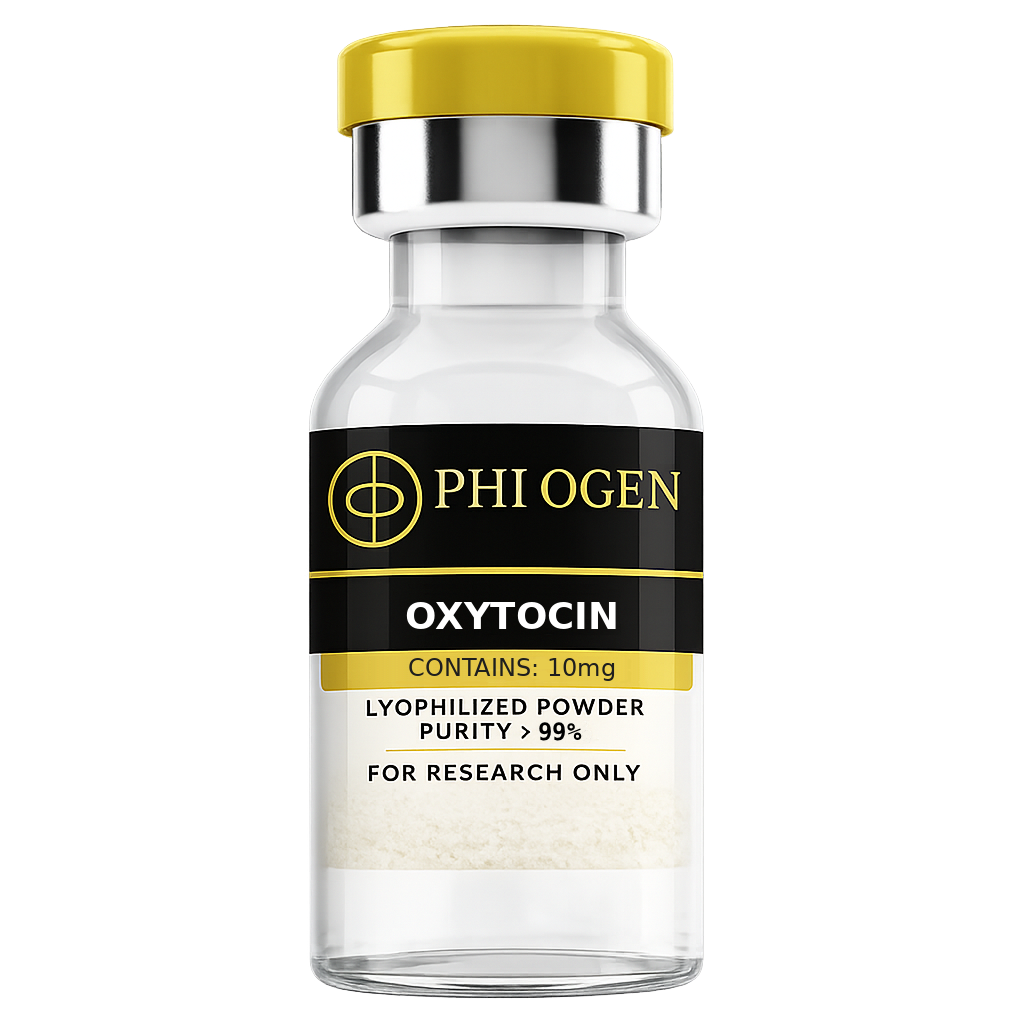
High-dose Oxytocin for comprehensive neuropeptide research.
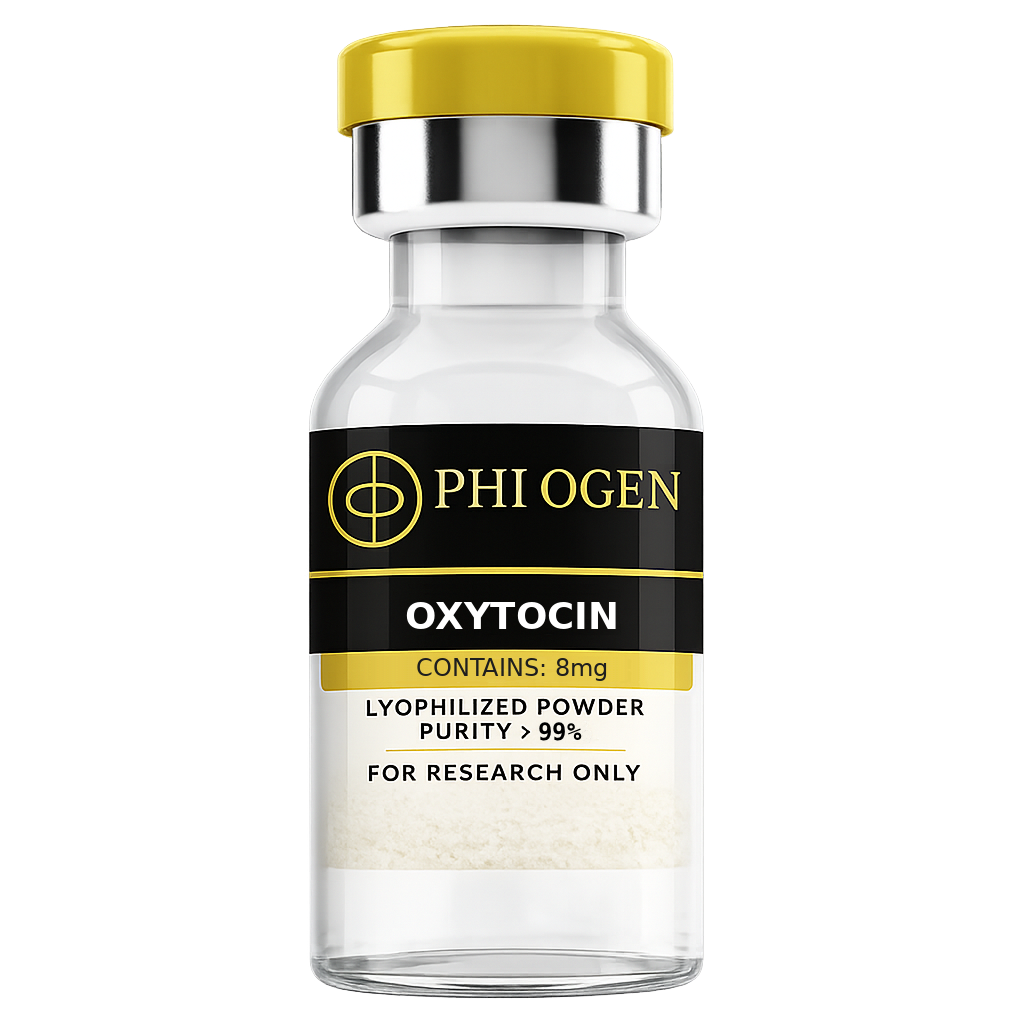
Neuropeptide hormone with roles in social bonding, stress reduction, anti-inflammatory signaling, and wound healing.
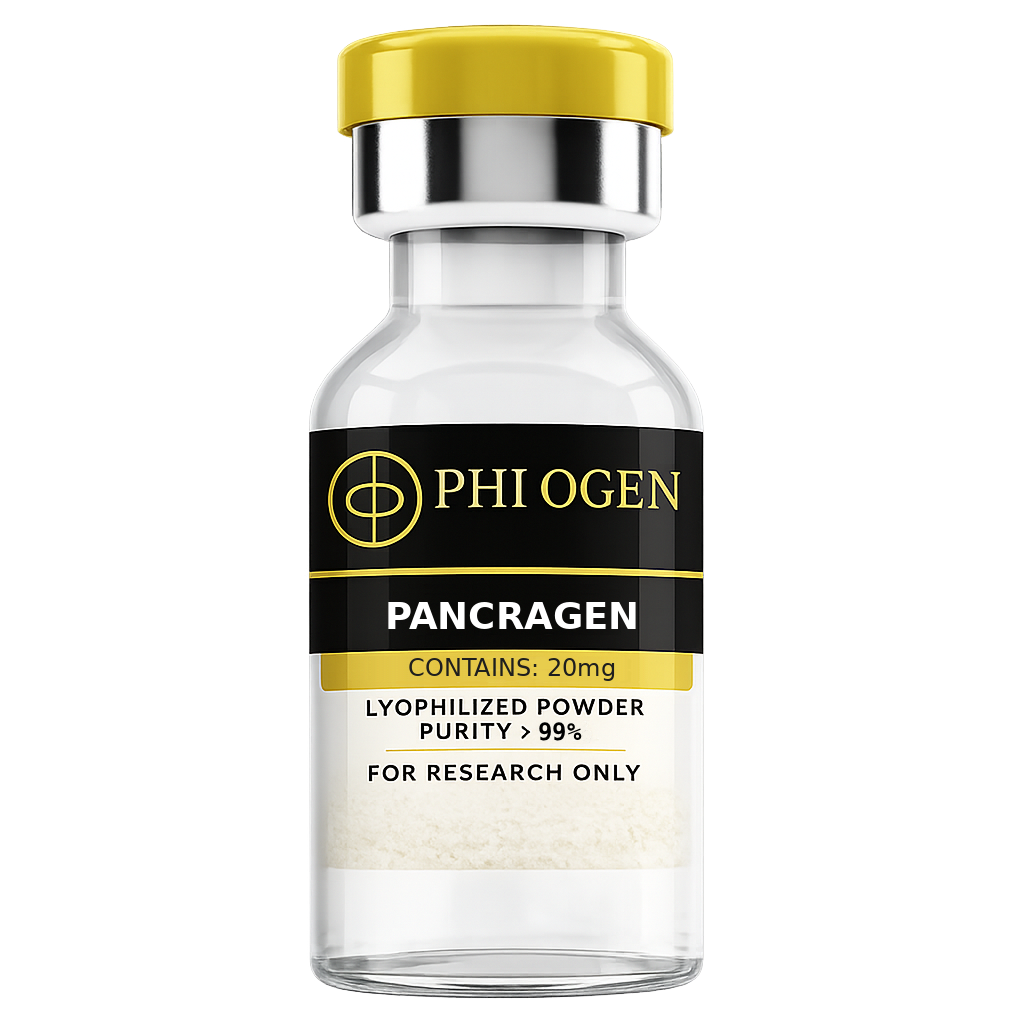
Pancreatic peptide bioregulator supporting exocrine and endocrine pancreatic function.
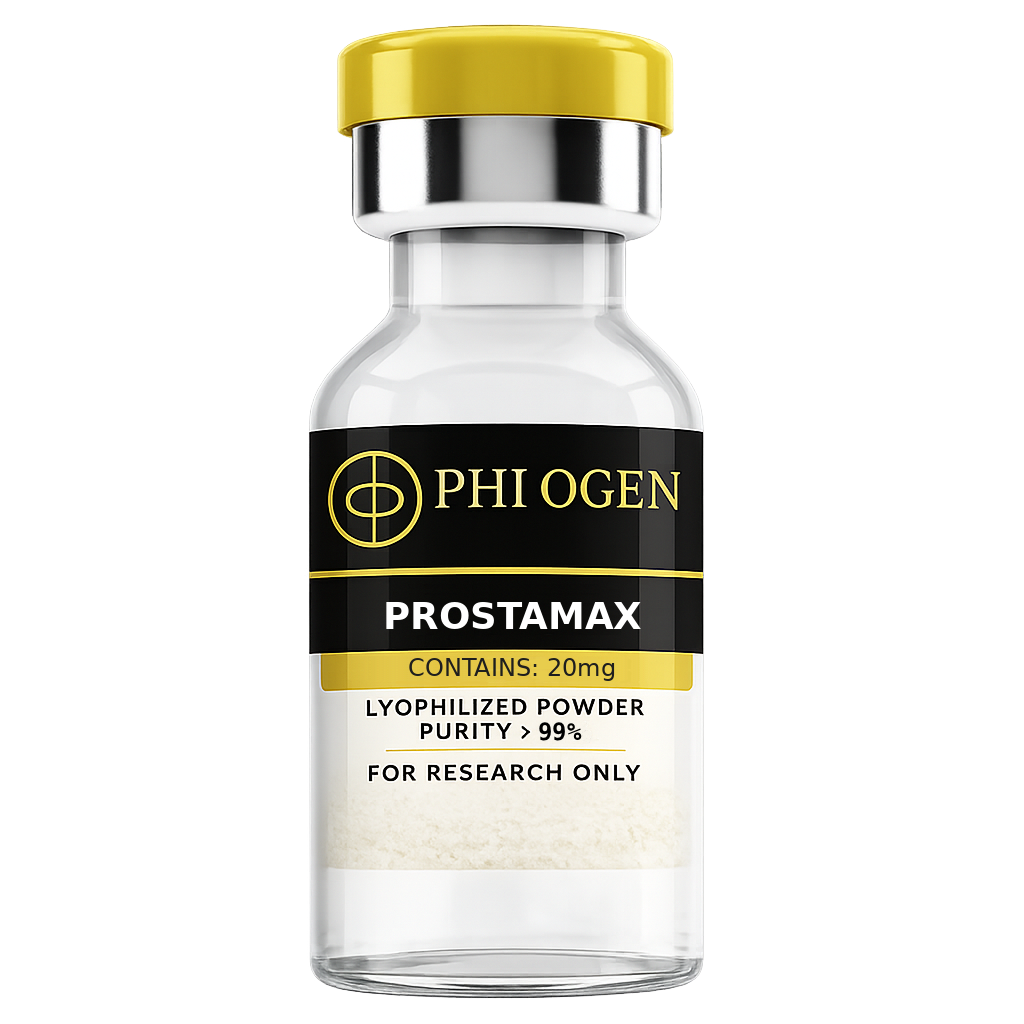
Prostate-specific peptide bioregulator supporting prostate gland health and function.
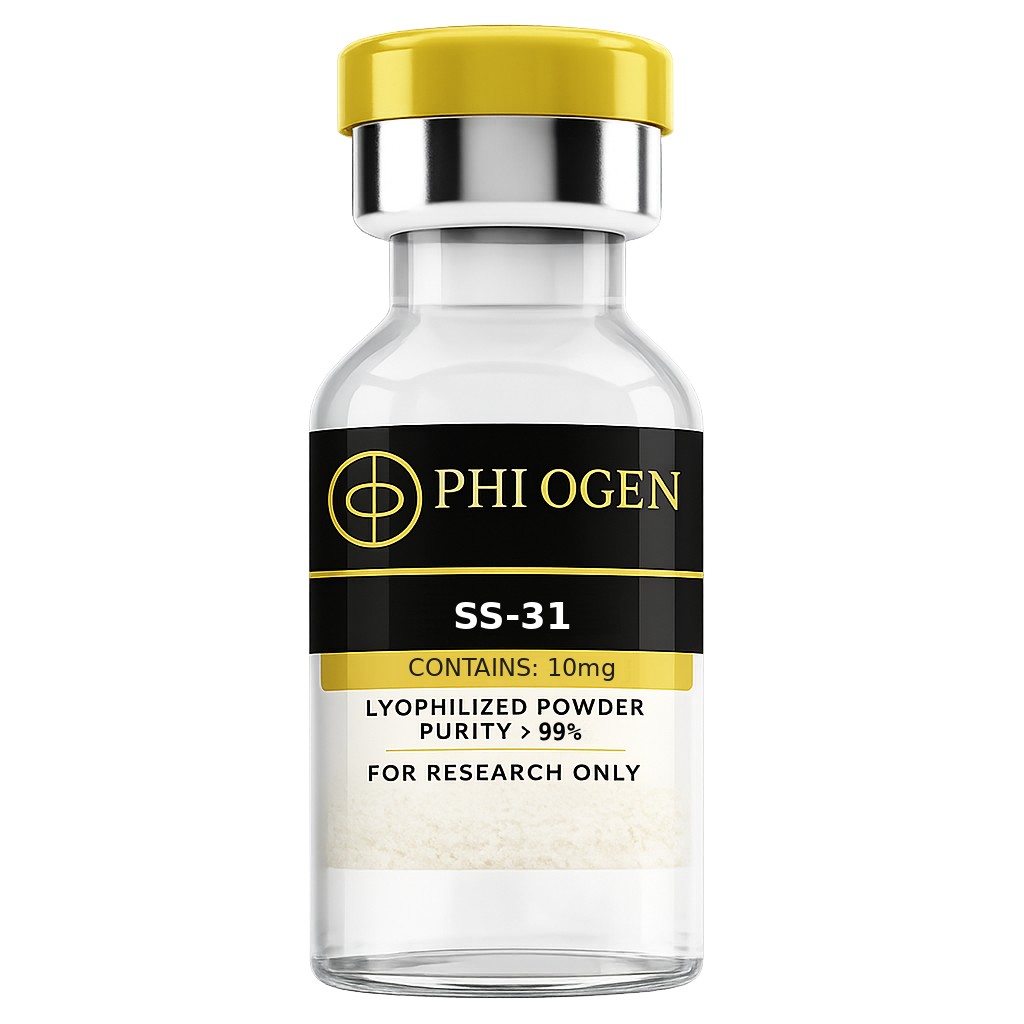
Mitochondria-targeted antioxidant peptide that concentrates at the inner mitochondrial membrane.
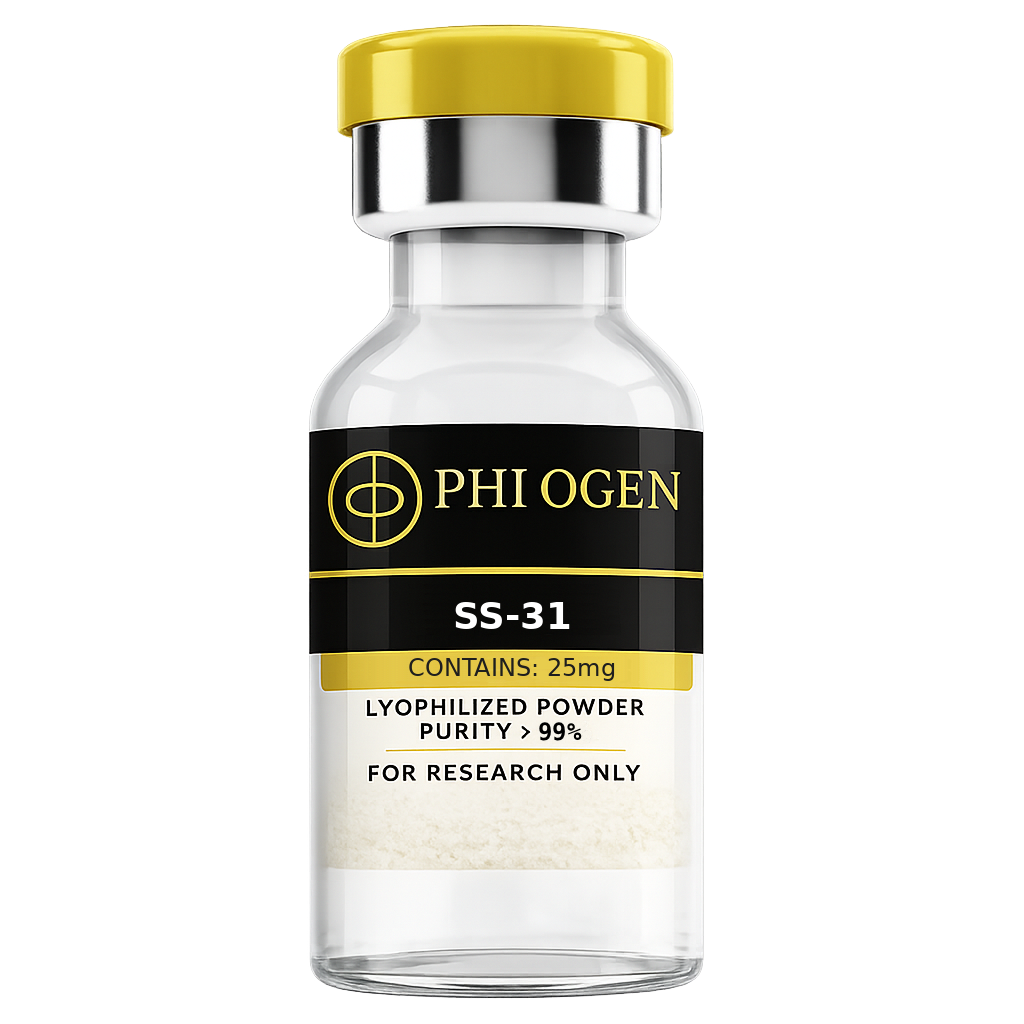
Mid-dose SS-31 for extended mitochondrial protection research.
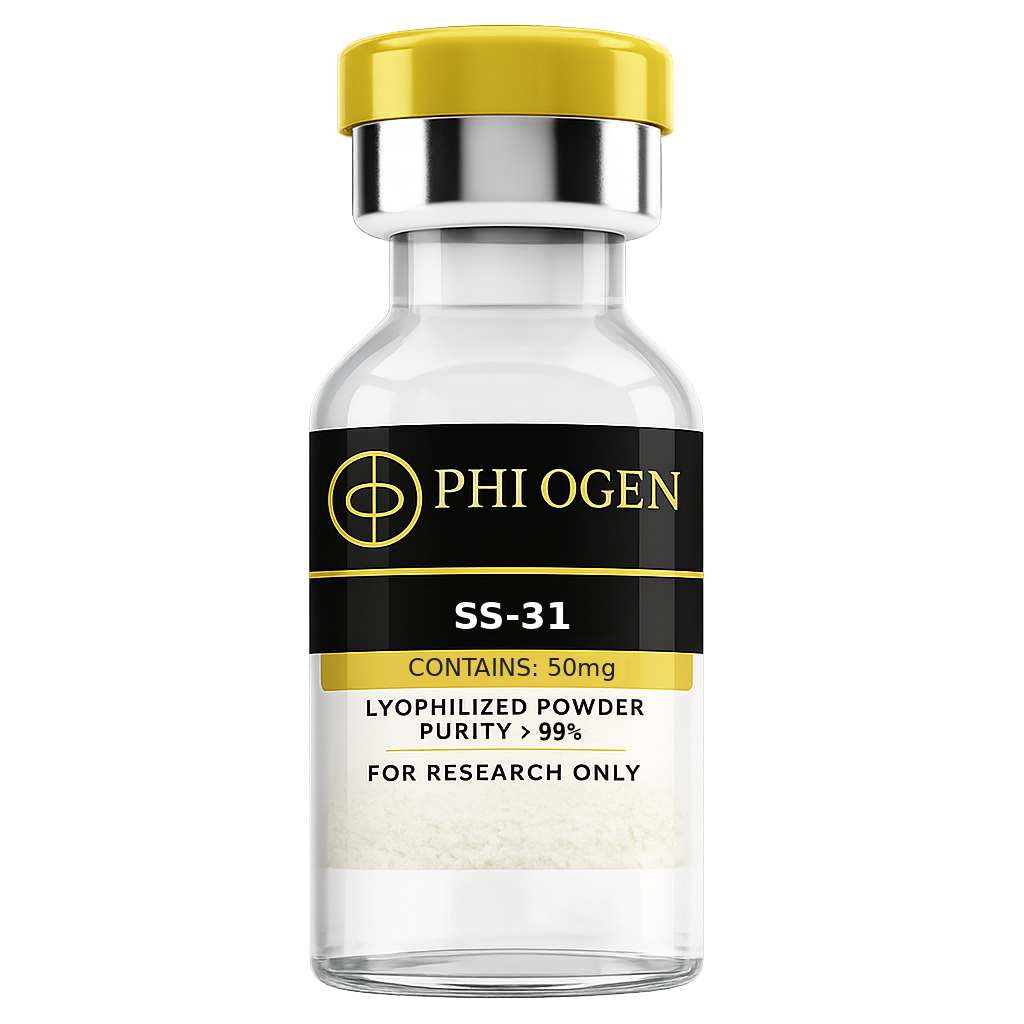
Bulk SS-31 for comprehensive mitochondrial health studies.
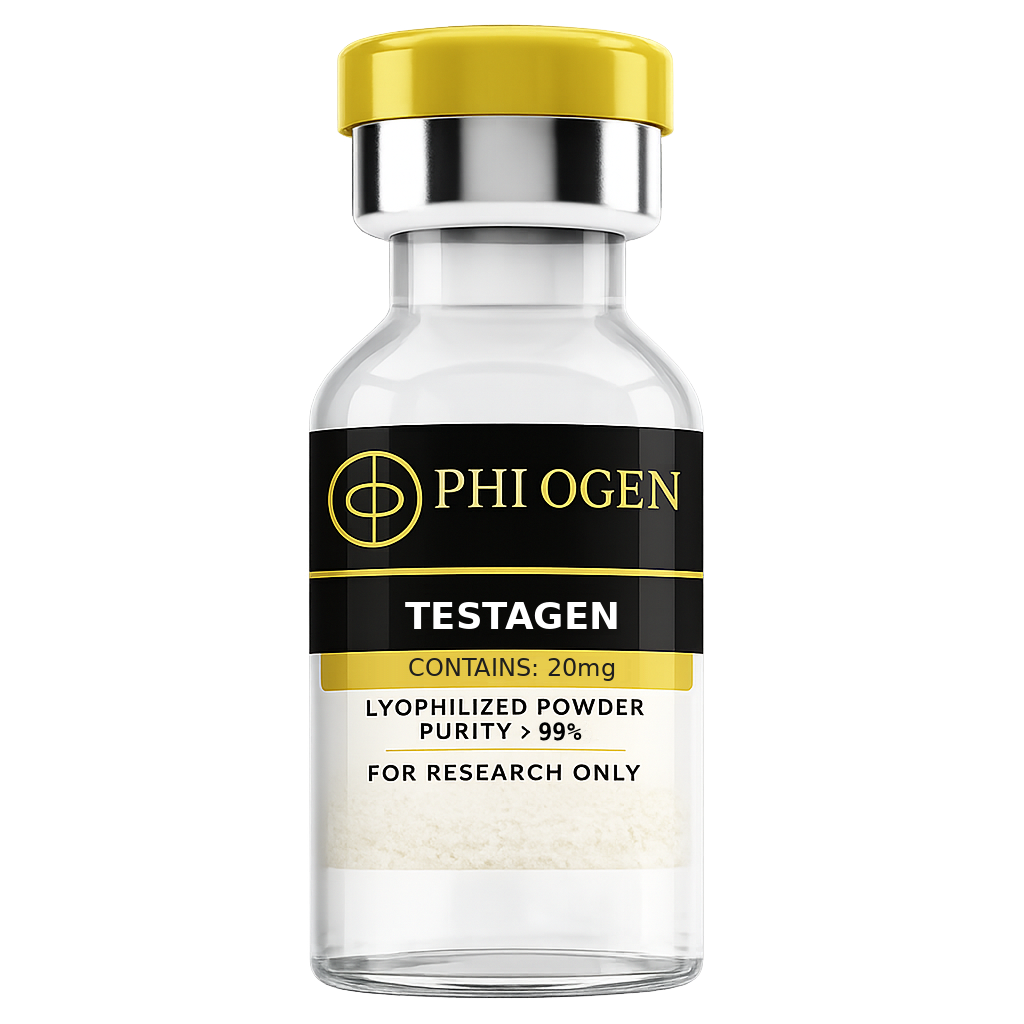
Peptide bioregulator targeting testicular and male reproductive tissue.
Peptide bioregulator targeting bladder and urinary tract tissue.
Vascular peptide bioregulator that promotes endothelial cell health and blood vessel integrity.
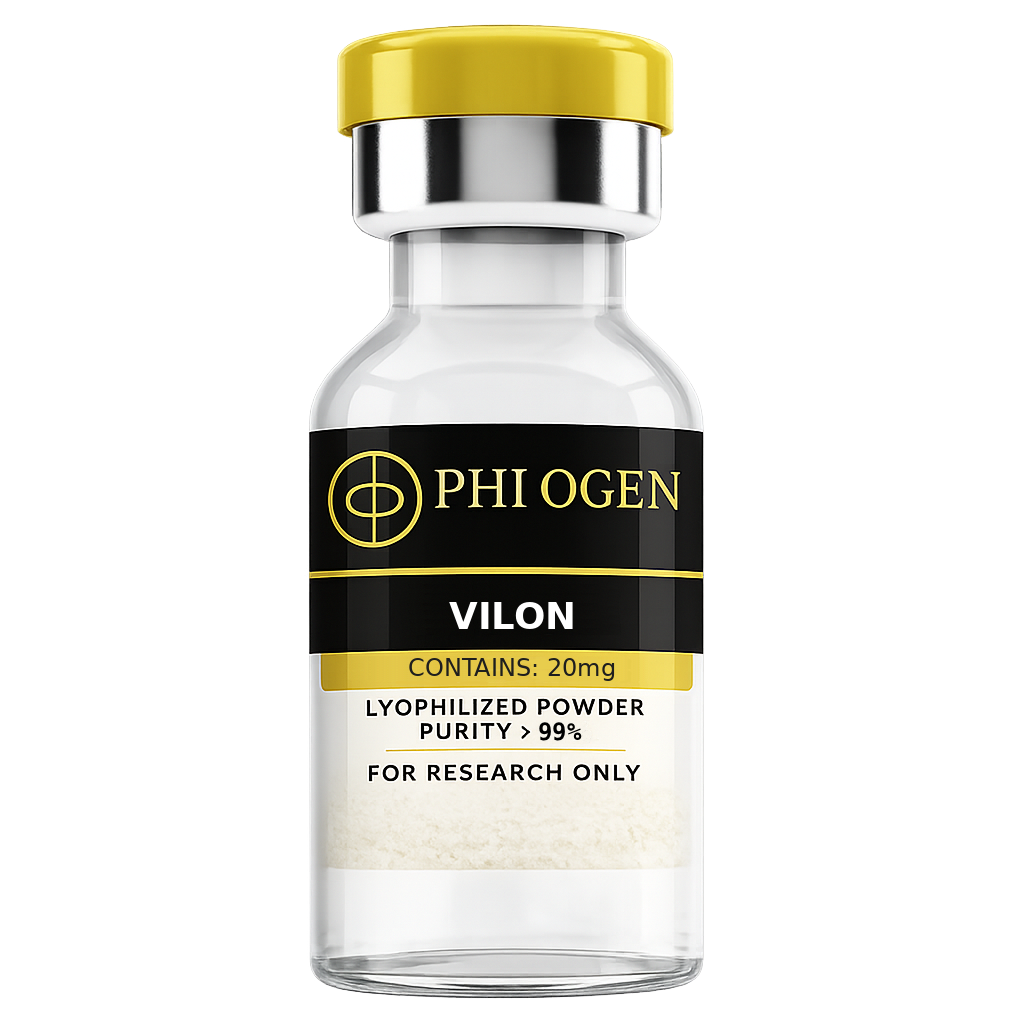
Dipeptide bioregulator with immunomodulatory and anti-aging properties.
Peptide Cycles
Try a Pre-Built Research Cycle
Synergistic combinations of recovery & repair peptides.
Frequently Asked Questions
What are Recovery & Repair peptides?
Are these peptides safe?
Start Your Recovery & Repair Research
29 research peptides available — COA verified, research grade.
For research use only. Not for human consumption. Consult a physician.